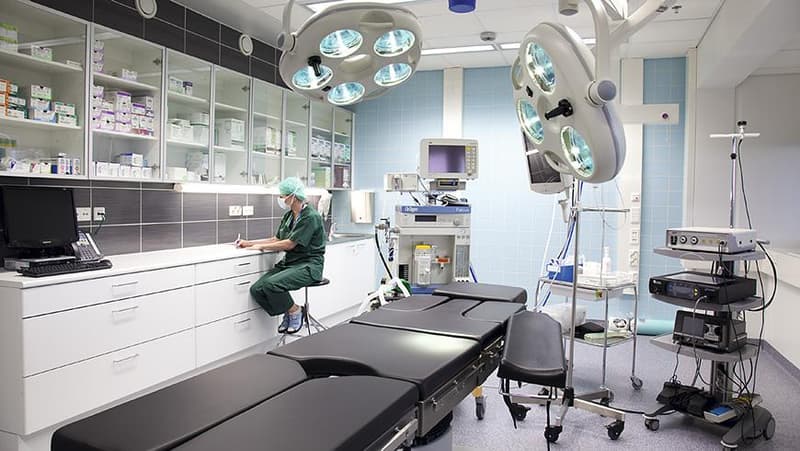
Welcome to Mehiläinen Hospital
Read more
You can book an appointment for an assessment of the need for back surgery regardless of whether you already have a referral or a recommendation for surgery. Without a referral, you can come for an assessment to find out whether surgery might be suitable for your situation. For the actual surgery, a physician's assessment and a referral or a recommendation for surgery are required.
If you already have a referral or a recommendation for surgery, our surgical advisory service will assist you with practical matters related to back surgery. You will receive information on access to treatment, costs, and practical arrangements. Contact the surgical advisory service.
At Mehiläinen, less invasive back surgery methods, such as endoscopic back surgery and navigation-assisted minimally invasive surgery, are used whenever possible. The aim of these methods is to reduce tissue damage caused by surgery and to support as smooth a recovery as possible when the method is suitable for the ailment being treated.
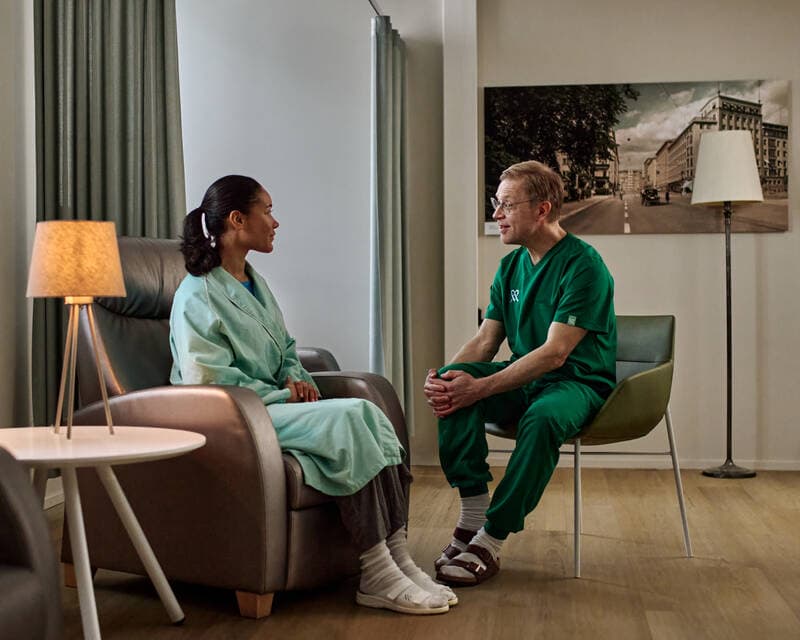
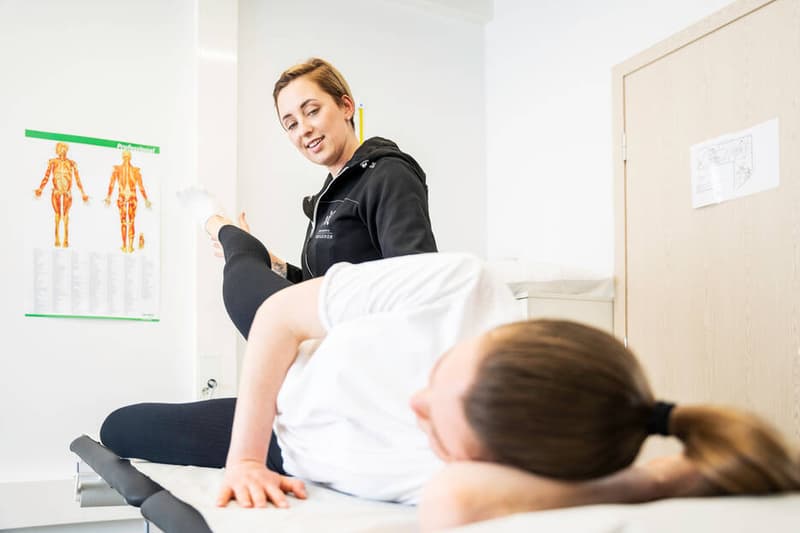
Anna talks about her first-hand experience of back surgery and recovery after surgery.
The customer story is in Finnish.

Spinal stenosis made walking difficult for Mikael, and he had to sit down frequently. Surgery in Estonia cured the ailment in one go.
The customer story is in Finnish.


Revised 10/6/2026
Published 6/4/2018
Back surgery may be considered if a back ailment causes severe or prolonged symptoms that significantly interfere with everyday life and functional capacity.
A surgery assessment may be relevant, for example, in the following situations:
Most back problems are treated without surgery. Treatment may include, for example, physiotherapy, active rehabilitation, exercise, or medication. Surgical treatment is usually considered only when the cause of the symptoms has been clarified and the effect of other treatment options has been assessed.
The need for back surgery is assessed based on symptoms, functional capacity, a physician’s examination and imaging examinations. However, a change visible in imaging alone does not mean that surgery is needed.
The cause of the symptoms can be investigated through imaging examinations, such as magnetic resonance imaging. The physician assesses whether the changes visible in imaging explain your symptoms and match the findings made during the appointment. Magnetic resonance imaging is needed for the final decision on surgery.
The physician will go through with you what treatments you have already tried and how much they have helped your symptoms. The assessment takes into account, for example, the effect of physiotherapy, rehabilitation, exercise and medication.
The physician will go through the treatment options suitable for your situation with you, as well as the benefits and risks of potential surgery. You will receive information to support your decision. Any potential surgical treatment will be decided together with the physician based on your symptoms, examination results, and treatment goals.
Back operations are performed by both orthopaedists specialised in spine surgery and neurosurgeons. Orthopaedic spine surgery focuses on the lumbar spine area, whereas problems with the cervical spine fall within the field of neurosurgery.
Back surgery can be used to relieve a compressed nerve, create more space in the spinal canal, or stabilise the spine. The appropriate specialist and surgical procedure are selected based on the ailment being treated, symptoms, and examination results.
Nerve decompression surgeries reduce the pressure on the nerve. The goal is to relieve radiating pain, numbness, or muscle weakness. Examples of nerve decompression surgeries include:
Spine-stabilising surgery can be considered if a structural problem in the spine causes symptoms or impairs functional capacity. Surgical treatment may be needed, for example, in the treatment of spinal instability, deformities, or vertebral fractures. Spine-stabilising surgeries include, for example:
Surgery of the cervical spine can relieve pressure on a compressed nerve root or spinal cord. Cervical disc surgeries are performed from the front of the neck.
Operations of the cervical spine and spinal cord include, for example:
Surgeries in the cervical spine and spinal cord area are performed by neurosurgeons. Read more about neurosurgery and neurosurgical operations.
Back surgery aims to reduce symptoms and improve functional capacity when other treatment has not helped sufficiently. For many, the most important thing is to be able to move, sleep, work, or engage in hobbies without symptoms constantly restricting everyday life.
However, it is not always possible to eliminate all symptoms completely. The goal of surgery is to give the nerves the opportunity to recover and function as normally as possible. The benefit gained from the surgery depends on the ailment being treated, the duration of the symptoms, and your initial situation.
All operations involve risks. The risks vary depending on the operation performed, the ailment being treated and your health status. Depending on the surgical technique, back surgery can involve, for example, inflammation, damage to the dura mater surrounding the spinal cord, bleeding, damage to nerve structures, and the continuation or recurrence of symptoms.
Back operations are performed under general anaesthesia. If necessary, the risks associated with the surgery and anaesthesia are assessed in advance together with an anaesthesiologist.
Before making a decision on surgery, the physician will review the potential benefits of the operation and the risks related specifically to your situation. At the same time, you can ask about the surgery and other treatment alternatives.
Once the decision to undergo surgery has been made, the hospital's surgery coordinator will help you prepare for the upcoming surgery. You will receive personal instructions on preparing for the surgery, the schedule for the day of surgery, and discharge.
The upcoming surgery may raise questions or cause nervousness. You can discuss your concerns with the care team at different stages of the treatment path.
Mehiläinen participates in the national Spine Register, which is used to monitor the quality of spine surgery performed in Finland.
If your information is saved in the Spine Register, you will receive symptom and follow-up questionnaires before and after the surgery. The questionnaires are used to monitor the development of your symptoms and functional capacity.
Before the surgery, you will meet the surgeon treating you and the anaesthesiologist. The care team will go through the course of the day of the surgery with you and answer your questions so that you know in advance what will happen during the day of the surgery.
Back surgery is performed under general anaesthesia. During the surgery, the operating surgeon, anaesthesiologist and operating room nursing staff are responsible for your care.
The duration of the back surgery depends on the operation performed and its extent. Before the surgery, you will receive an estimate of the duration of your operation.
After the surgery, your condition will be monitored in the recovery room. The anaesthesiologist and the operating surgeon will check on your condition and tell you how the surgery went. Usually, you can go home already on the day of the surgery.
In some situations, recovery is monitored overnight in the inpatient ward. The need is assessed already before the surgery based on your condition and the extent of the operation.
You can be discharged when your condition is good enough and you can move safely. You will receive written instructions for wound care, pain relief, and recovery, as well as information on who you can contact if you have questions during your recovery.
You will also be given ready-booked appointments for suture removal and wound check, a physiotherapy appointment, and a follow-up appointment with the operating physician.
The goal of recovery is to gradually return to normal everyday life and functional capacity. The rate of recovery is influenced by factors such as the surgery performed, the baseline situation of symptoms, and your general state of health. You will receive instructions suited to your situation for the different stages of recovery.
After surgery, getting up and moving usually takes place as early as possible. Light movement is an important part of recovery and helps restore functional capacity.
Physiotherapy can support the recovery of functional capacity as well as a safe return to everyday life and physical exercise. Rehabilitation is planned according to the surgery and your recovery needs.
Light walking can often be started as early as the day of the surgery or shortly afterwards. The amount of exercise is gradually increased according to how you feel.
The length of the sick leave is affected by the surgery performed, the physical strain of the work and the progress of recovery.
A physician assesses the length of the sick leave and the timing of the return to work based on your job description, your condition and your recovery.
There may be pain in the surgical area, and nerve symptoms may ease gradually. Nerve recovery is affected, for example, by the cause of the symptoms and how long the nerve has been compressed.
You will receive instructions from the physician or care team regarding analgesia and when it is advisable to contact the treatment facility due to symptoms.
Recovery is monitored if necessary at an appointment or in another agreed manner. Upon discharge, you will receive instructions suitable for you regarding possible follow-up appointments, rehabilitation, and aftercare.
Our surgery consultation service helps you find out your options for having back surgery at a Mehiläinen hospital. You can contact us if you already have a referral or a surgery recommendation and want to find out about access to treatment, costs, or practical arrangements.
Leave your contact information, and we will contact you as soon as possible. Contacting us does not commit you to anything.
Orthopaedist
An orthopaedist treats musculoskeletal disorders and injuries through rehabilitation and surgery.
Neurosurgeon
A neurosurgeon assesses and treats diseases of the brain, spinal cord, nerves, and spine, as well as nerve entrapments and disc problems.
Magnetic resonance imaging (MRI)
An MRI scan helps to diagnose diseases of the musculoskeletal system and other areas.
You can seek an assessment of the need for back surgery regardless of whether you already have a referral or a recommendation for surgery. For the actual back surgery, an assessment performed by a physician and a referral or a recommendation for surgery are required.
If the back surgeon assesses at the appointment that surgery is suitable for you, they will make the necessary referral. If you already have a decision on surgery made elsewhere, you can contact Mehiläinen to arrange treatment.
Yes. If you want to confirm your situation or discuss different treatment options, you can also seek an assessment performed by another physician specialised in back surgery.
The price of back surgery is affected by, for example, the operation performed, a possible overnight hospital stay, as well as the necessary examinations and follow-up. The provided surgery price includes the costs of the day of surgery. A possible overnight hospital stay after the surgery is subject to an additional charge.
You will receive a personal cost estimate before any potential surgery.
The duration of back surgery depends on the operation to be performed and its scope. Some of the operations take less than an hour, while more extensive operations can take longer. You will receive an assessment of the duration of your surgery before the operation.
Usually, you can be discharged from back operations on the day of the operation. More extensive operations may require an overnight stay in the hospital. The timing of discharge is determined based on your condition, mobility and the operation performed.
A planned surgery may have to be postponed due to, for example, changes in health status, illness, or other factors affecting safe surgical treatment. The use of certain medications may also require a pause before the surgery. You will receive the necessary instructions from your attending physician or surgery coordinator. The situation will be assessed on a case-by-case basis.
Yes. Surgery relieves the compressed nerve, but nerve recovery takes time. Recovery can be particularly slow in cases of muscle weakness, as well as if the nerve has been compressed for a long time. You will receive instructions from your care team on when to contact the treatment facility regarding persistent or worsening symptoms.
Yes. A recurrence of symptoms is also possible after a successful surgery. The risk of recurrence depends, among other things, on the ailment being treated, the life situation and individual factors. For example, surgery for a spinal disc herniation, or prolapse, usually brings quick relief from the current symptoms, but it does not eliminate the risk of a new spinal disc herniation in the same or another intervertebral space.
The length of sick leave depends on the surgery, the physical workload of the work, and the progress of recovery. Returning to remote work or light work may be possible as early as after one week. In physical work, returning to work may be possible after about 5–6 weeks. In fusion surgeries, recovery to withstand physical exertion takes longer. The physician will assess the duration of the sick leave based on your job description and recovery.
You are personally responsible for your fitness to drive, and no separate permission from a physician is required for driving a car. Please note that any medication may affect your ability to drive. You can obtain information from the operating physician on how driving a car may affect the surgery performed and recovery from it.